9 ways to create an edible and sensory garden for kids
The list is endless for elements which make a garden interactive and engaging to the senses. We show you 9 ways to create an edible and sensory garden your kids will love.
What is a sensory garden?
Sensory gardens are carefully designed spaces that are dedicated to the senses of smell, sound, taste, touch, and sight. They are often used as spaces for teaching kids, for interactive play and relaxation.
What is an Edible Garden?
An edible garden is a garden that contains flowers, herbs, seeds, berries and plants that can be eaten. They are a great way to get kids to broaden their healthy food choices while getting outside, learning about plants and cultivating a relationship with their environment.
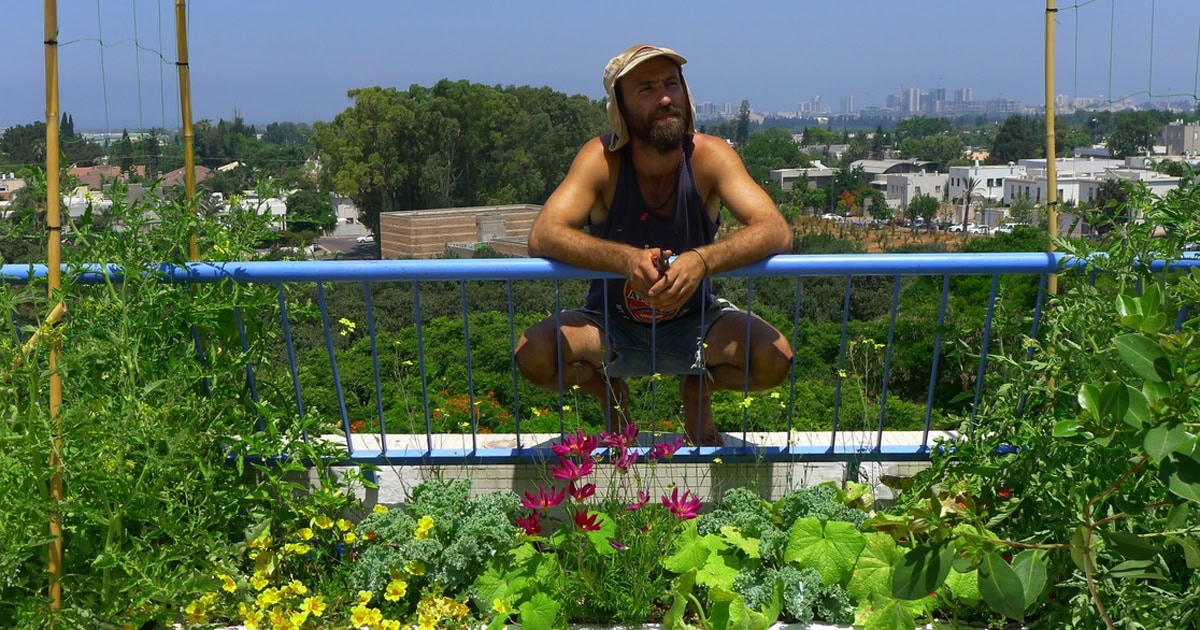
Photograph: Yuli Gorodinsky
How Can We Combine the Two?
Sensory gardens and edible gardens naturally go hand-in-hand, as every garden is a sensory experience. There are, however, certain design principles that we can adopt to ensure that our kids’ edible garden is a safe and stimulating space that will evolve as they grow.
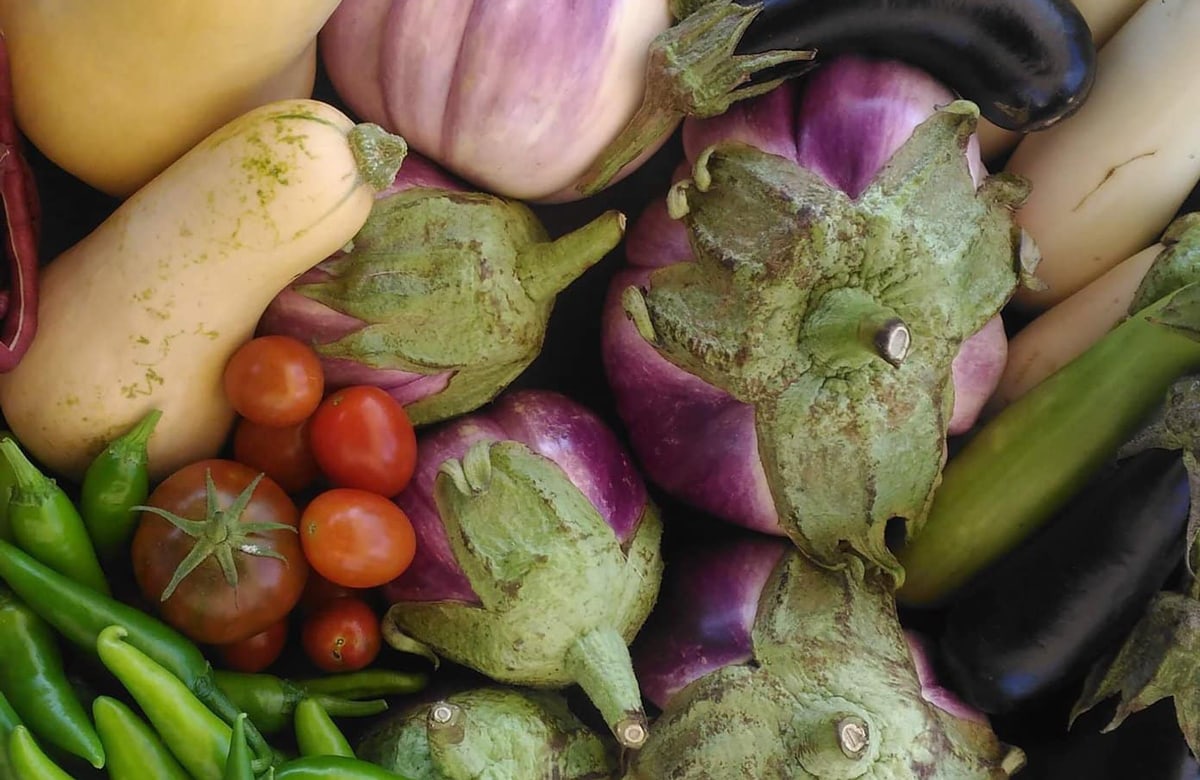
Photograph: Yuli Gorodinsky
Here are some ideas to include in your edible sensory garden
1. Edible plants:
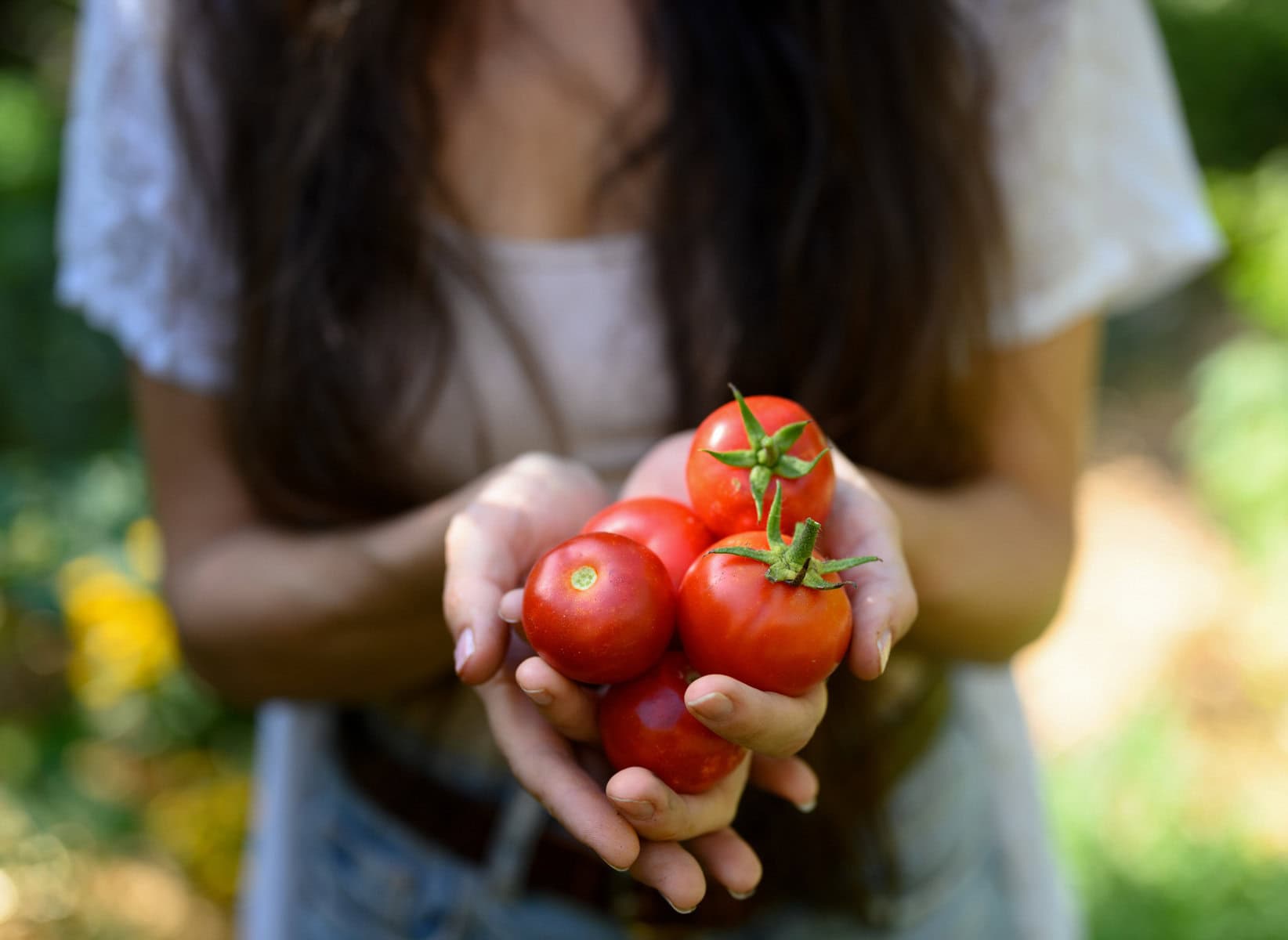
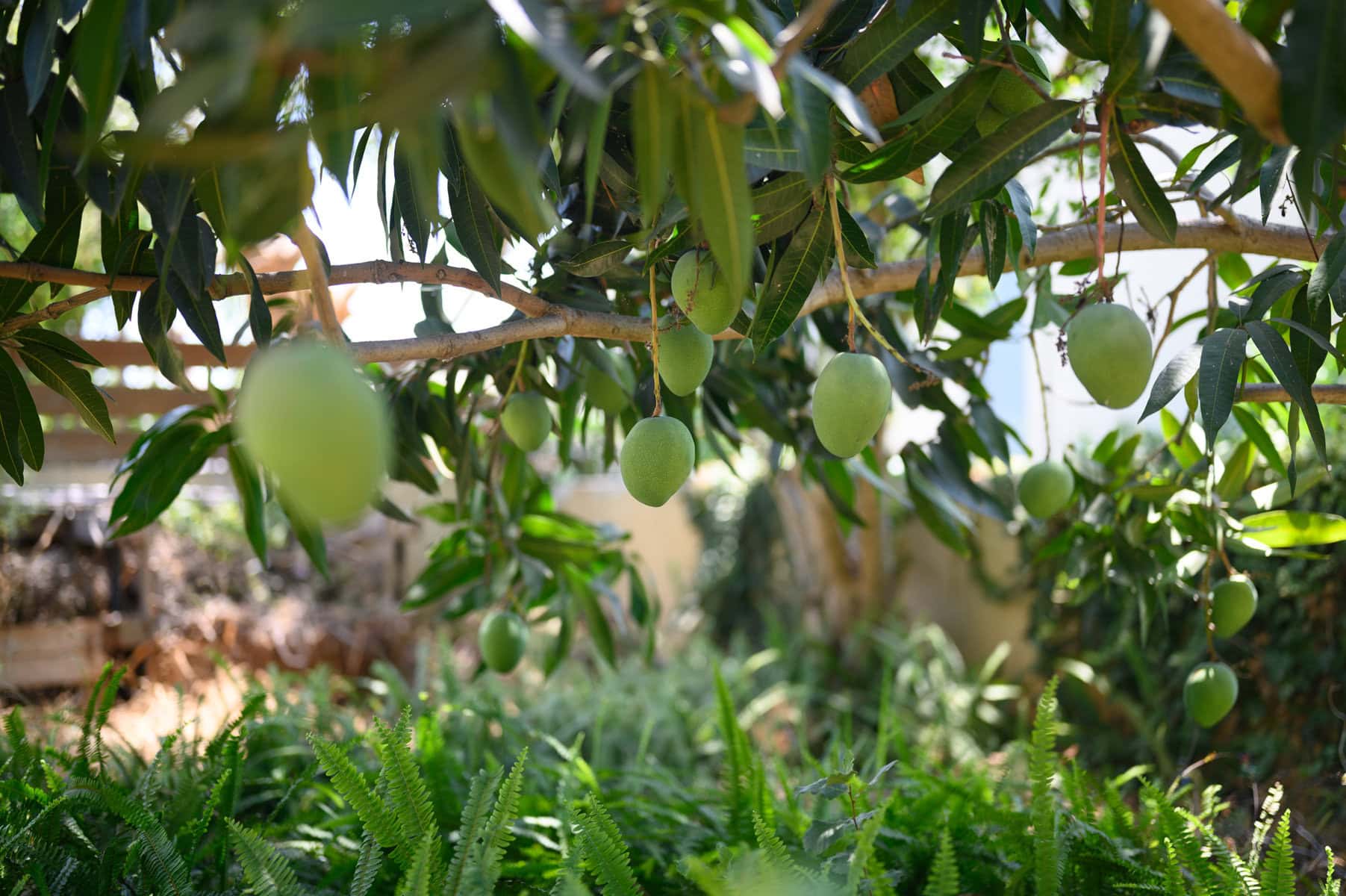
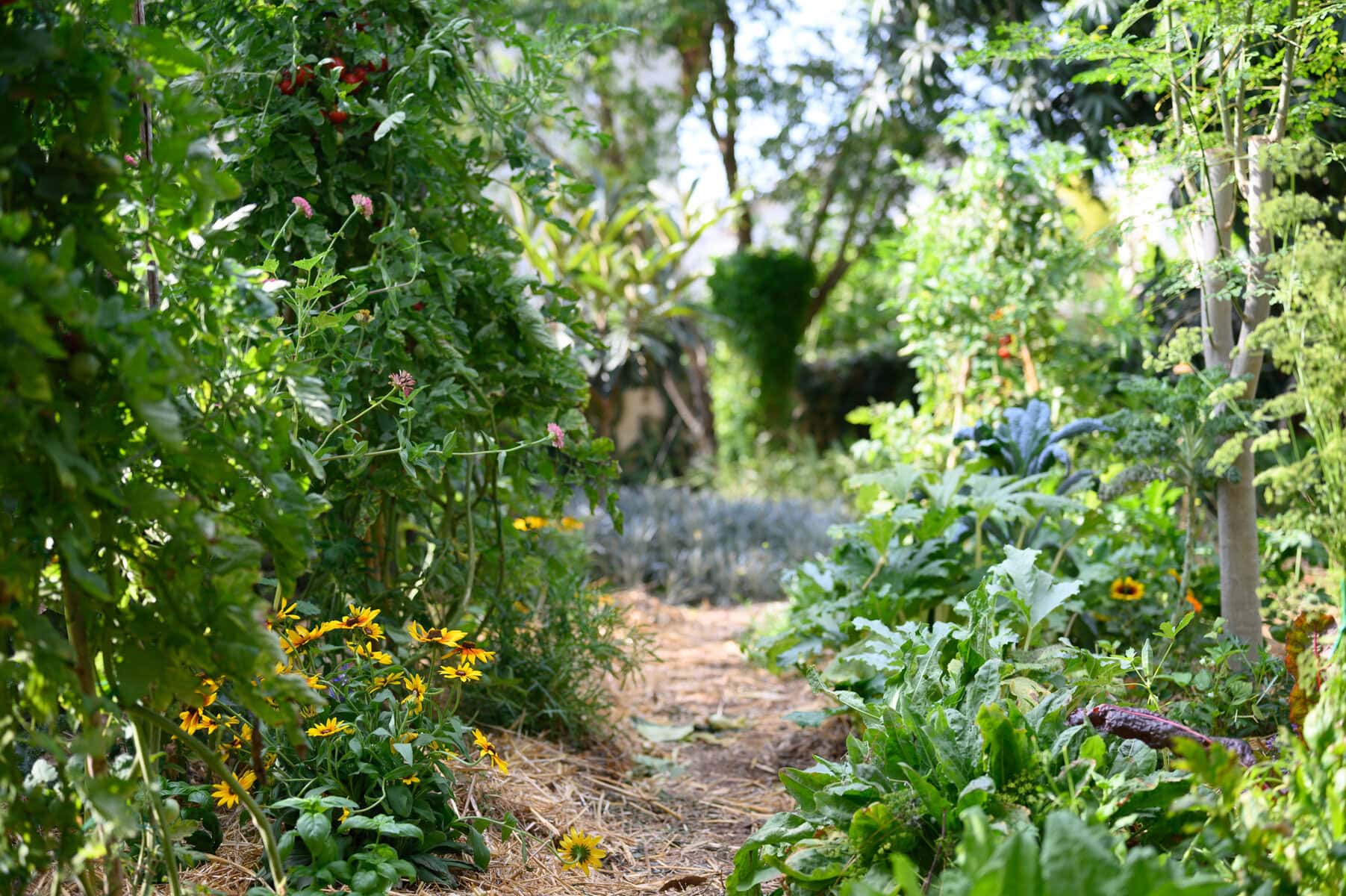
From herbs and spices to edible flowers, fruits, shrubs, seasonal vegetables and trees, the list of edibles that you can incorporate into your garden is vast. Edible trees and plants can also provide a place for climbing, shade, color, stick play and healthy snacking.
See below for our full list of edible plants to incorporate in your sensory garden.
Photograph: Yuli Gorodinsky
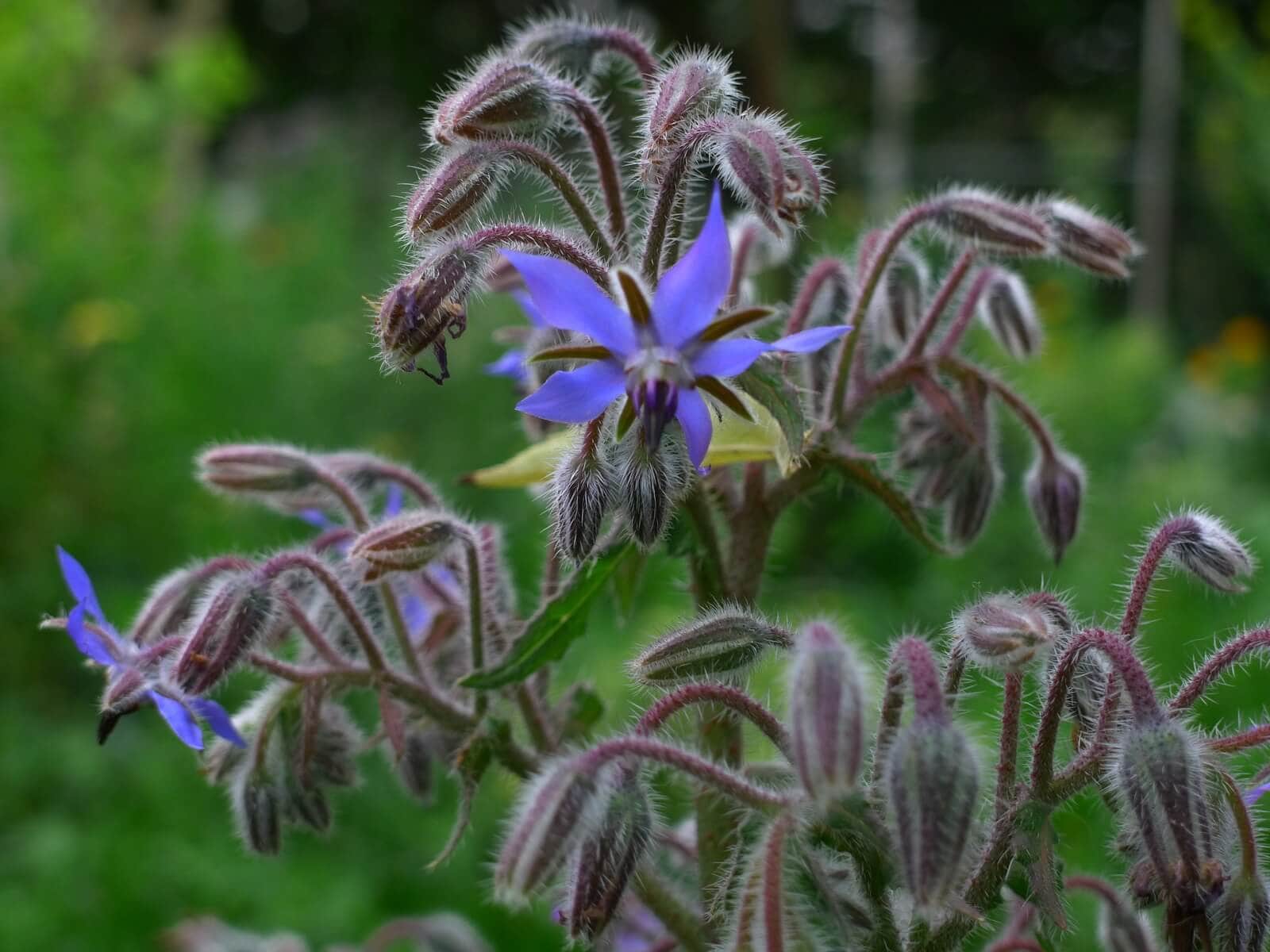
Borage
2. Scented plants:
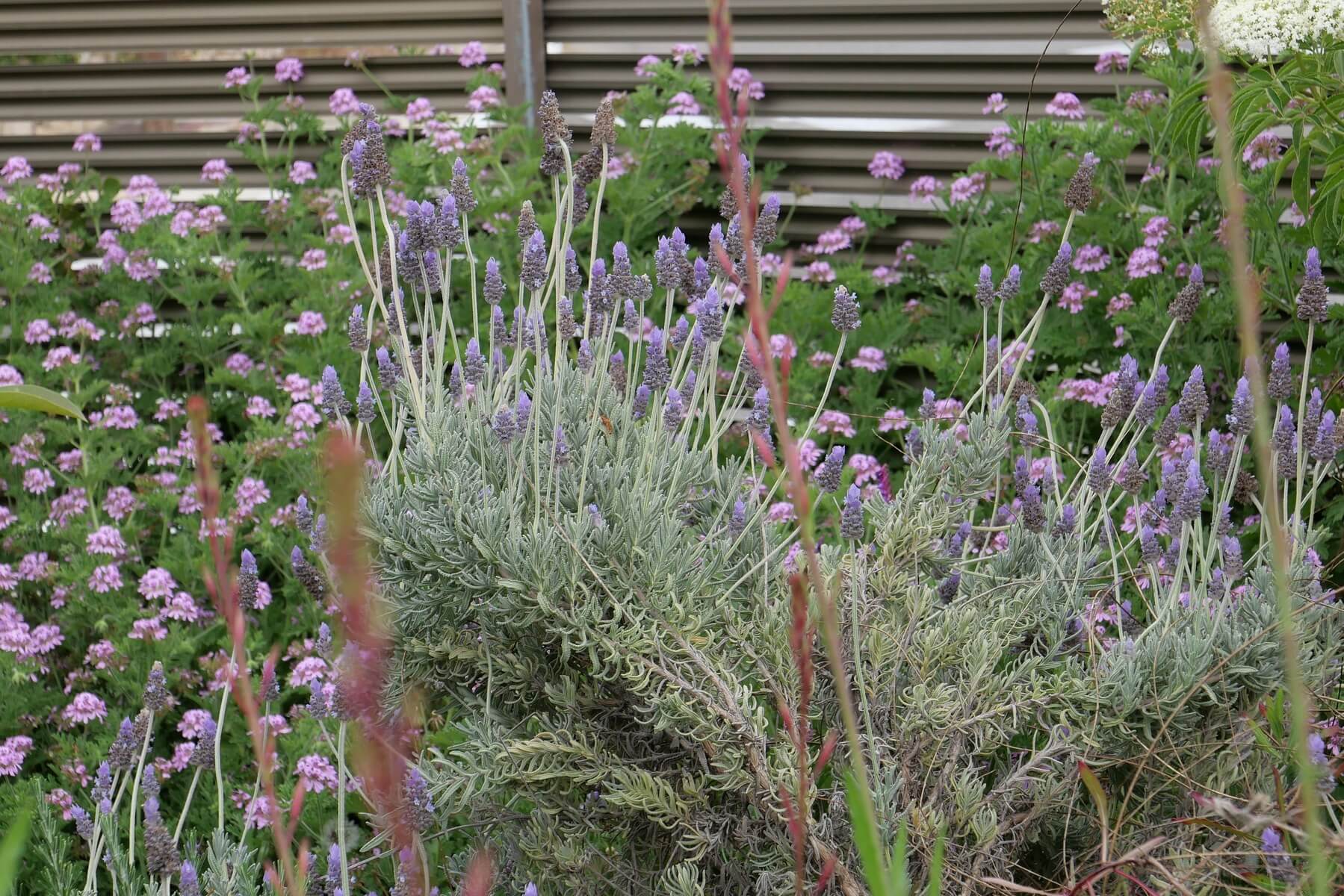
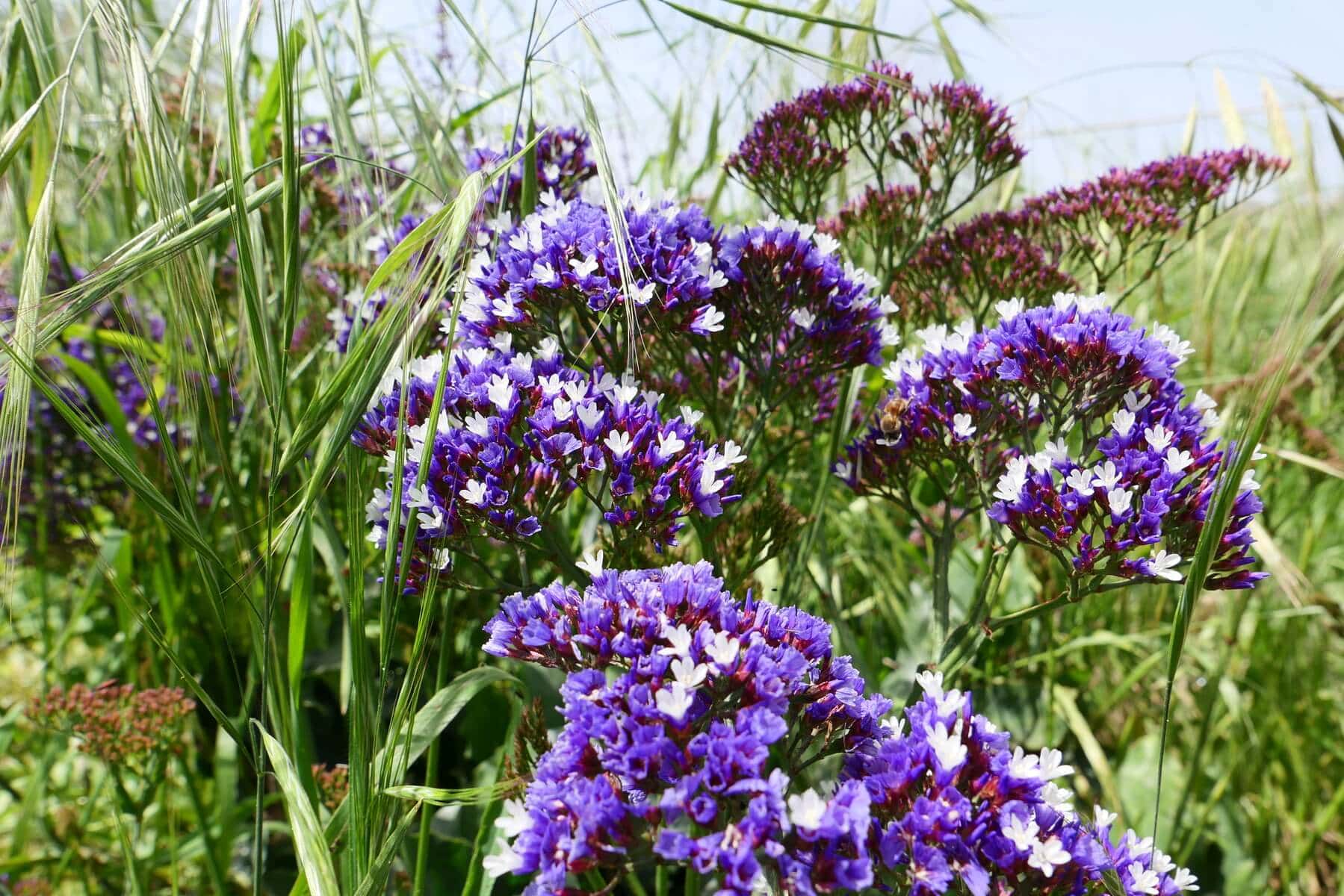
A garden filled with aromatic plants will have a beautiful scent that attracts not only the human nose but different pollinator insects to come and enjoy their fragrant flowers or leaves. Herbs like lavender, chamomile, stevia and pineapple sage are scented favorites of ours to include in any sensory garden.
Lavender, Photograph: Yuli Gorodinsky
3. Textural plants:
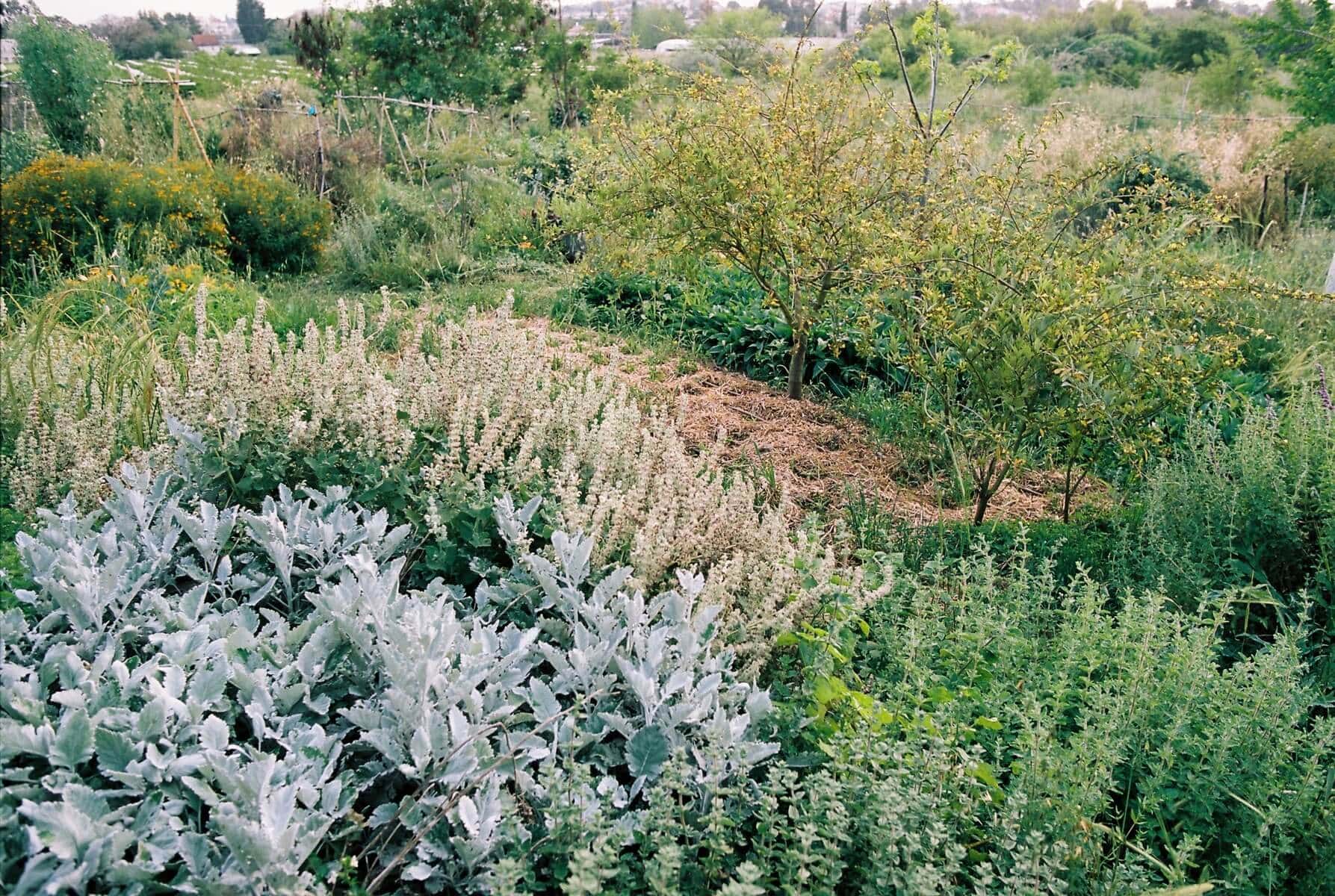
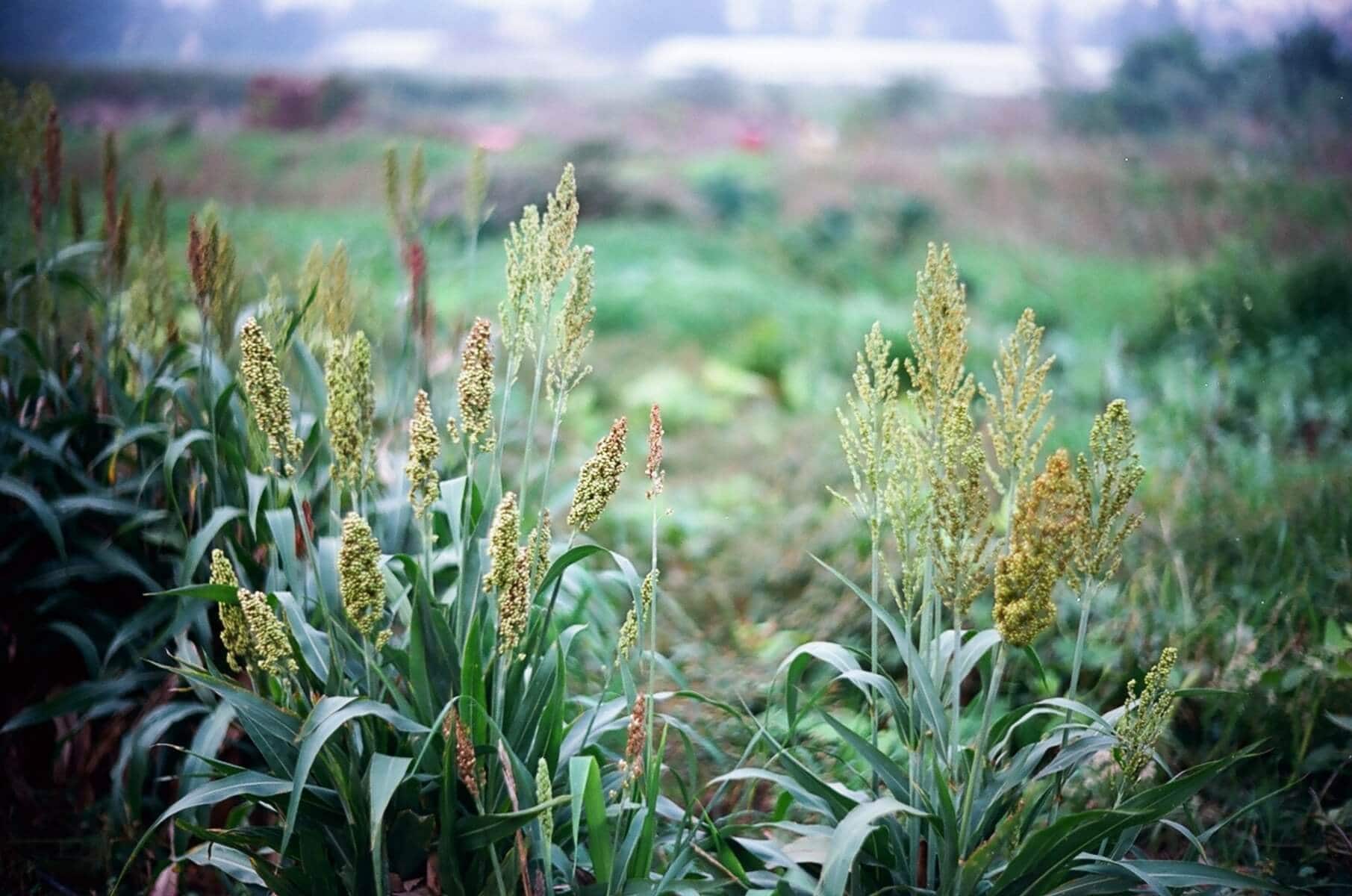
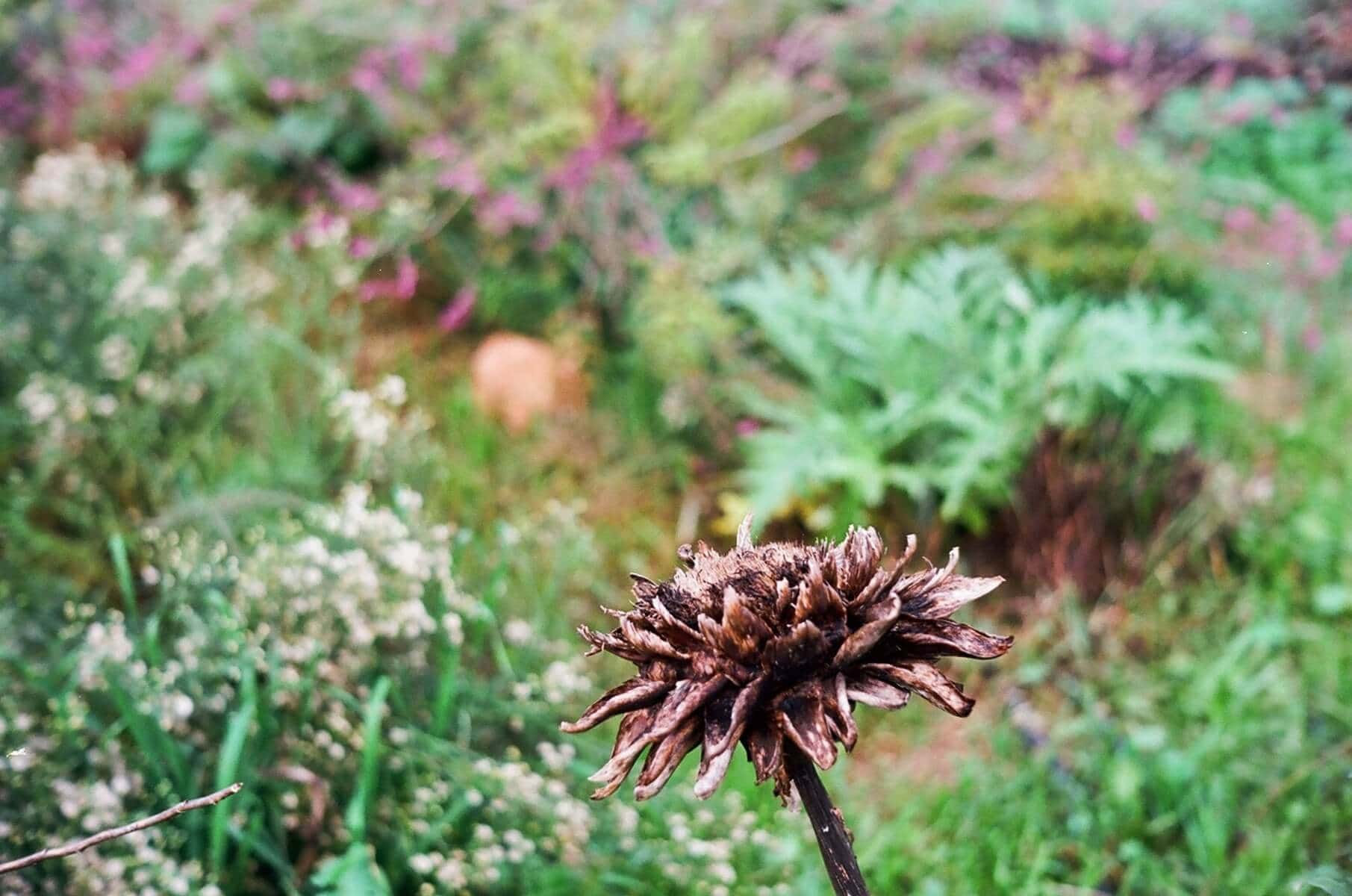
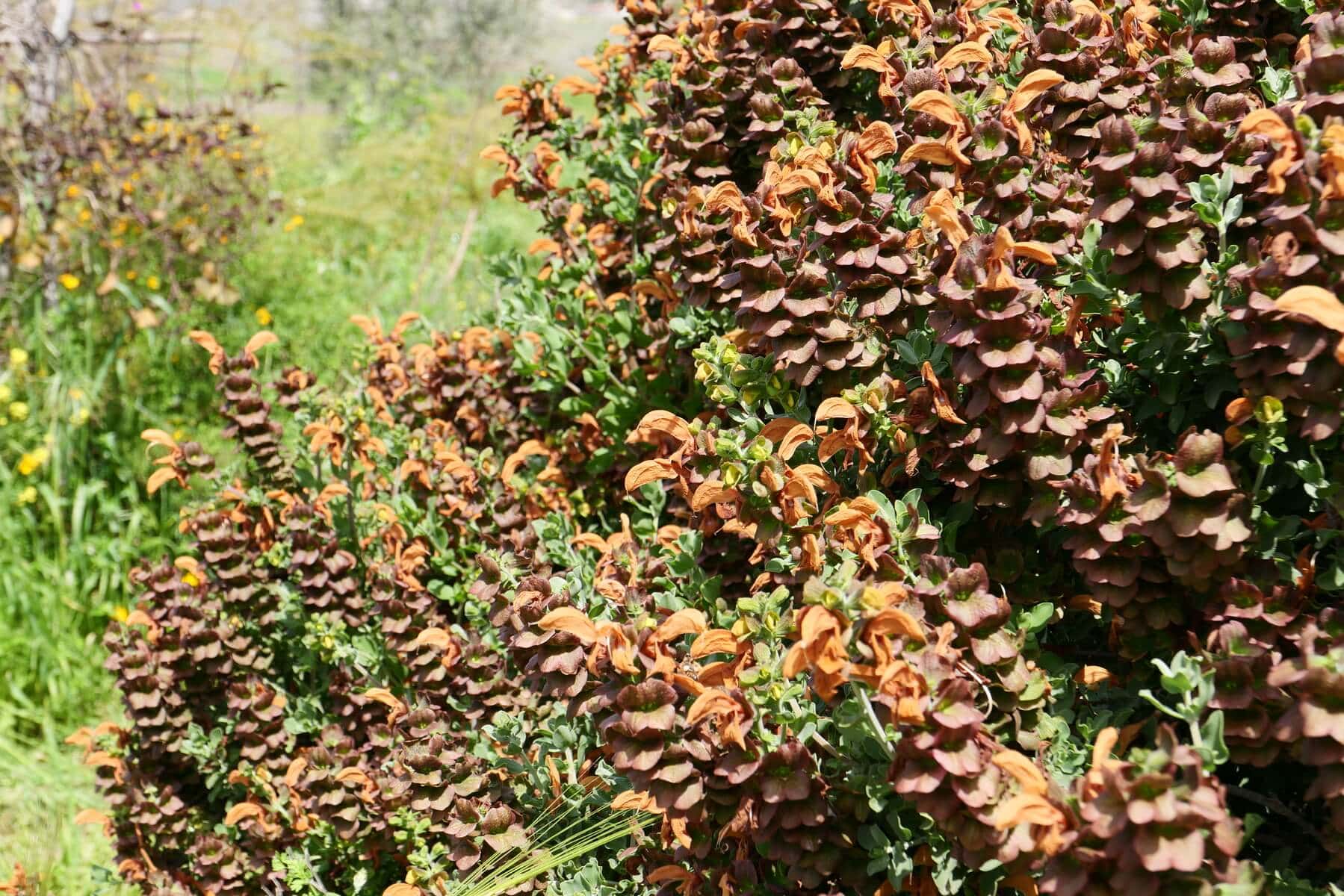
For textural qualities you can incorporate a range of plants that provide different textures throughout the year like soft and fluffy plants or waxy and wiry ones. For example, velvety sages, feathery grasses (grasses that have gone to seed) and sticky succulents can be used to create different textural experiences. See our list below.
Water is a naturally soothing element that instantly attracts birds and wildlife into our gardens especially in the arid Israeli climate. Ideas for sensory water elements include making a micro pond with your kids, adding a small water fountain, or placing a bird bath in your garden. For the best observing point, add a bench or sitting area nearby for kids to sit and bird watch.
5. Bug hotels:
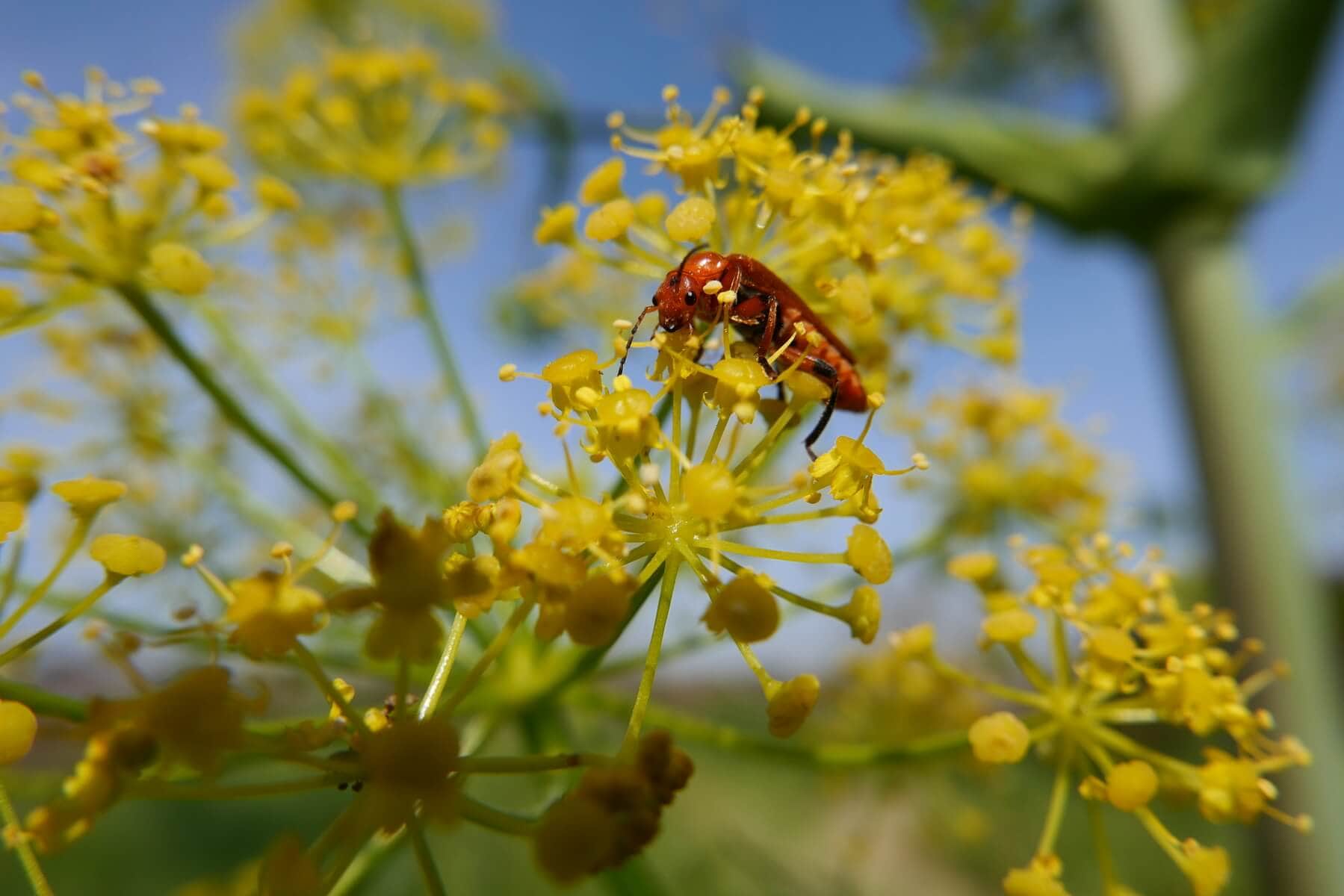
Bug hotels can offer a refuge to solitary bees, give ladybugs somewhere to lay eggs or other insects a place to nest and feel secure. It’s a great project to build with your kids and find together the ideal spot to place it in your garden. The bug hotel then becomes a sensory addition to the garden – to watch and listen to the bugs residing there.
Photograph: Benny Lifshitz
6. Raised vegetable beds:
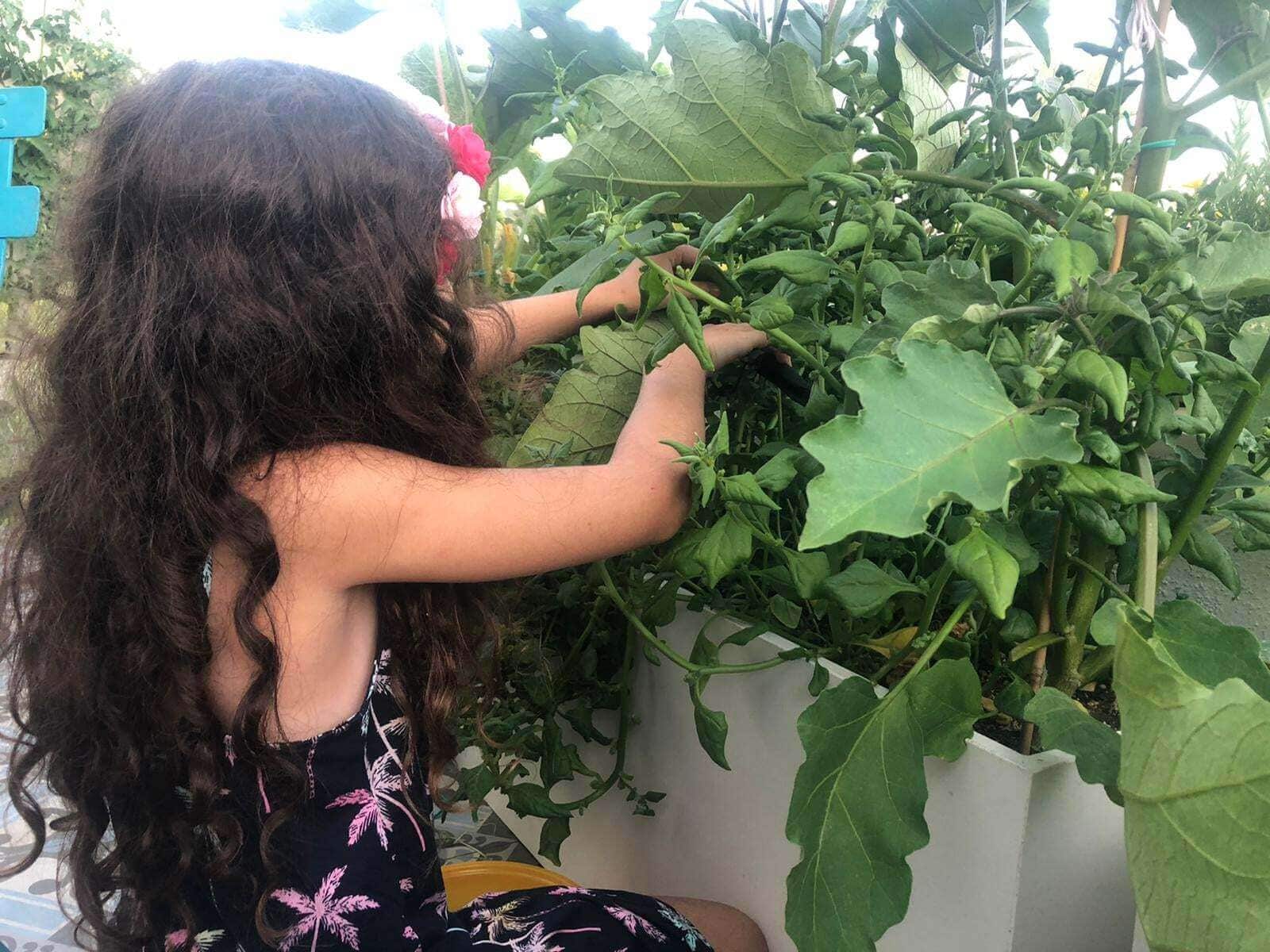
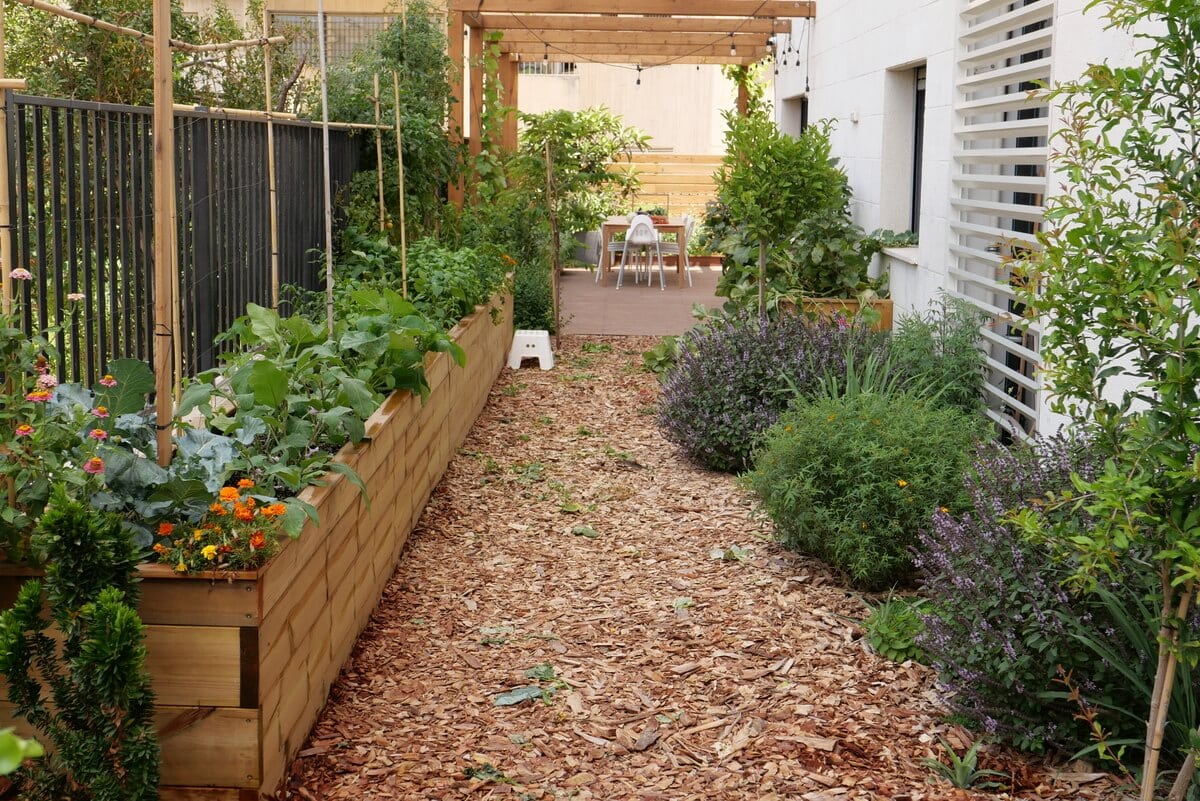
Growing vegetables is a great way to teach our children about where food comes from and can help them form healthy eating habits. They can learn to grow, harvest and eat delicious and nutritious vegetables. Beds should be placed close to the house and with easy access. To prevent the veggie beds from getting trampled it’s advisable to raise them slightly with a small wooden frame.
7. Create a snack trail:
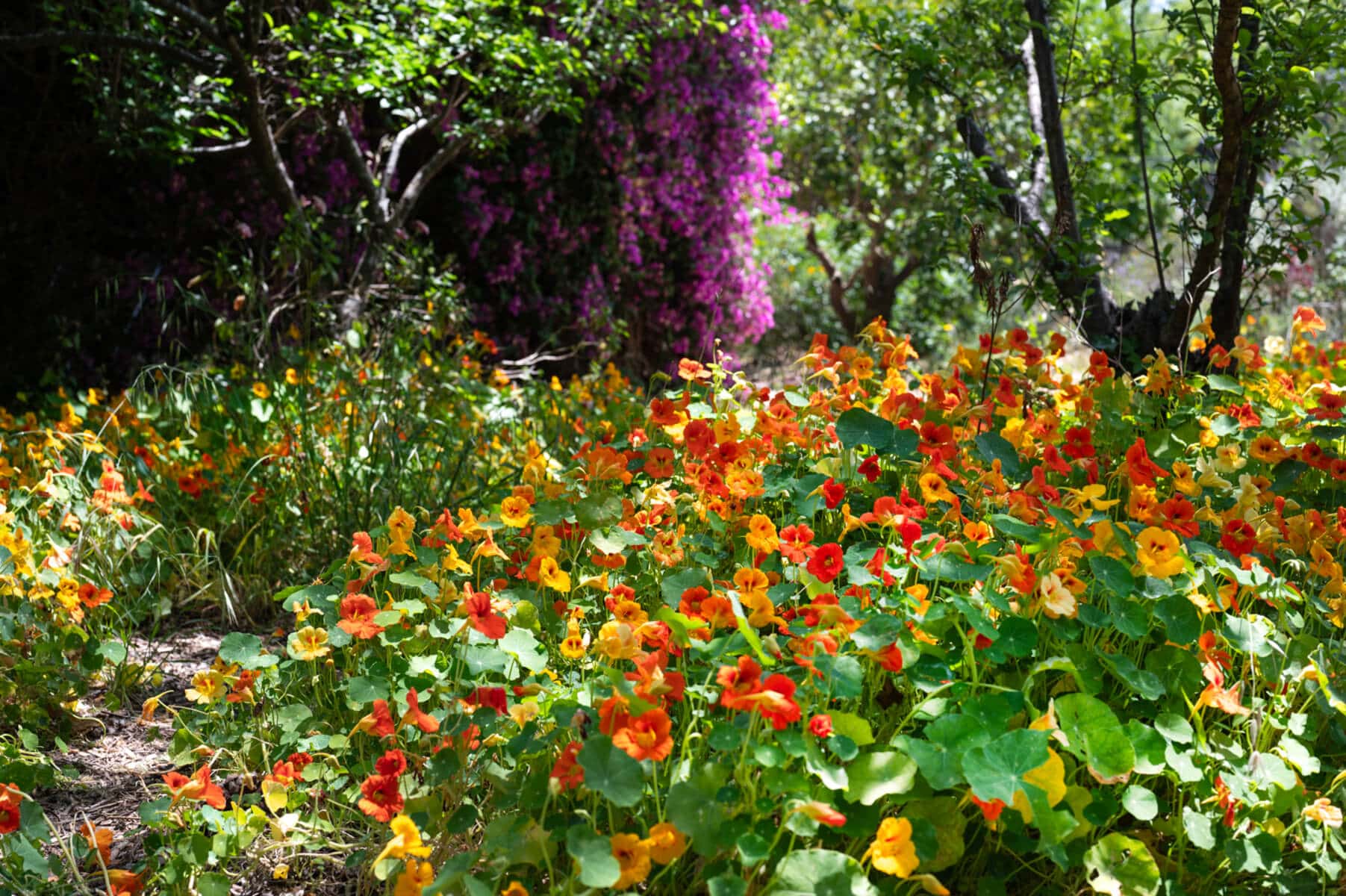
An alternative to store bought snacks truly can be in your own backyard. Plants such as wild strawberries, strawberry guava and kumquats are easily reachable fruits that can be harvested and snacked on by kids. Sweet edible flowers like borage and sage are also fun to eat or add to a glass of water for flavor.
Snack Trail, Photograph: Yuli Gorodinsky
8. Ecological planning:
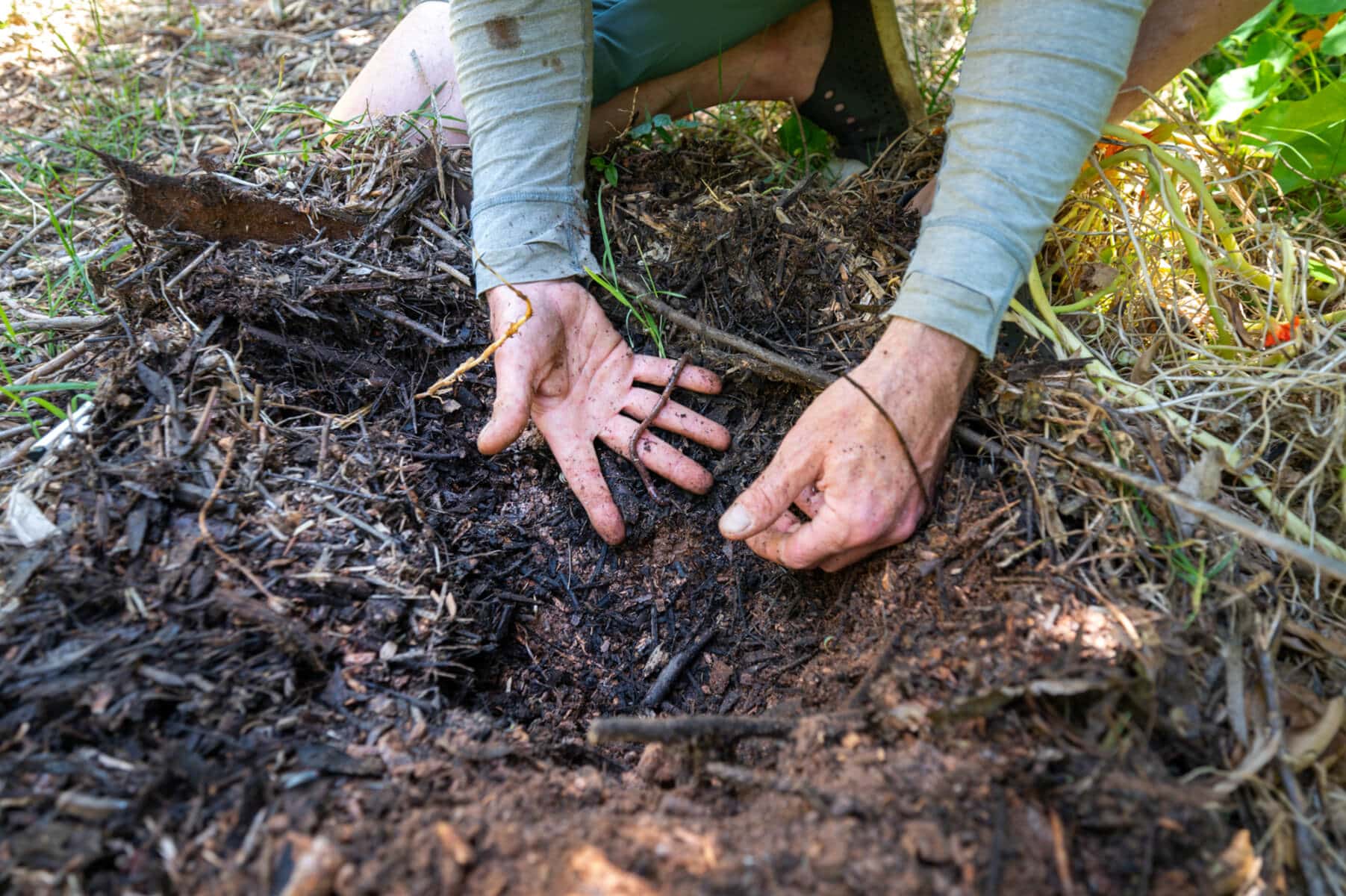
Avoid using any herbicides or pesticides in your garden. These are poisons that we don’t want to incorporate into our kids’ lives and certainly aren’t needed. Instead, adopt ecological gardening principles and plant herbs and flowers that will attract wildlife and insects that interact within the natural food chain.
Healthy Soil
9. Mulch the ground:
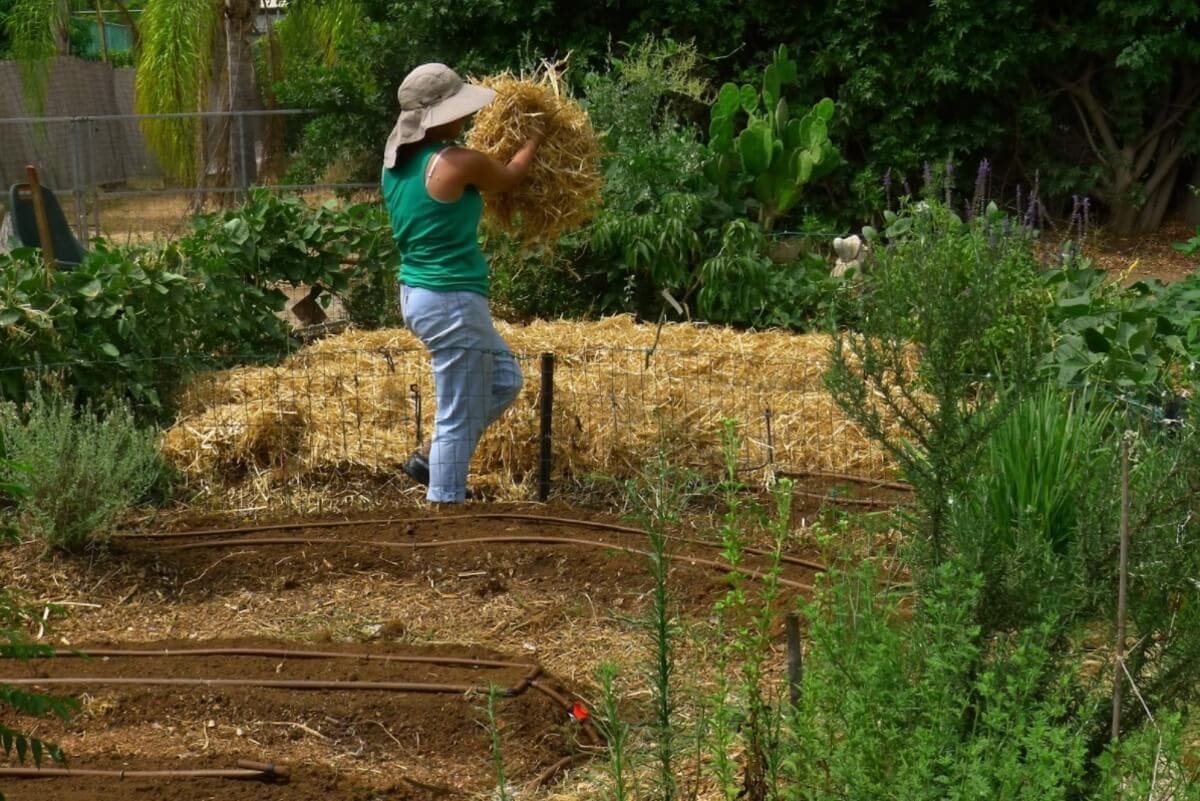
Don’t forget about the feeling you want to create for those moving around the sensory garden space. Cover the ground in wood chips, straw or leaf mulch. This is not only the most beneficial ground cover to help promote soil health but can create a multi-sensory experience combining touch, sight and sound for your kids.
For help planning and executing an edible sensory garden at home, at school or a community space, get in touch via Whatsapp: 058-7330937 or contact us here.
Want to see examples of edible gardens? Visit our portfolio